CASE STUDY
Can Native Ads Drive Map Monetisation? Insights from a January Trial.
2026-01-29 12:21
In January, we ran a small but insightful experiment to understand how native ads can support map monetisation and publisher monetisation. Specifically, we wanted to see whether platforms like Taboola could drive meaningful traffic and revenue to Mapfirst, even when maps are not embedded directly on publisher pages.
Below, I’ll walk through the setup, the results, and what this means for publishers and developers exploring new monetisation models.
Executive Summary: Native Ads, Publisher Monetisation and Map Monetisation.
Native ads on Taboola can drive strong click-through rates to a map-based experience, even without embedded maps.
US campaigns significantly outperformed the UK, with click-through rates of 11 percent and 2.35 percent respectively.
On average, 7 percent of users clicked from the landing page into the map experience.
Once on the map, we observed a further 10 percent click-through rate to partners.
This confirms that Mapfirst can be monetised both through embedded maps and by linking out from publisher content.
Why We Tested Native Ads on Taboola.
Mapfirst already works with hundreds of developers through the Mapfirst Partner Program. As a result, we receive tens of thousands of visits every month from partners who embed our maps directly into their websites.
However, not every publisher has content that naturally supports an embedded map. Many sites have a strong travel or local audience, but their articles, formats, or editorial constraints make embedding a map difficult.
This led us to test native ads as an alternative distribution and publisher monetisation channel. Taboola was a natural choice, as it places native ad units across large publisher networks and high-traffic news websites.
Campaign Setup: Driving Traffic to a Map Monetisation Experience.
To keep the test simple, we launched two Taboola campaigns with a combined budget of $100.
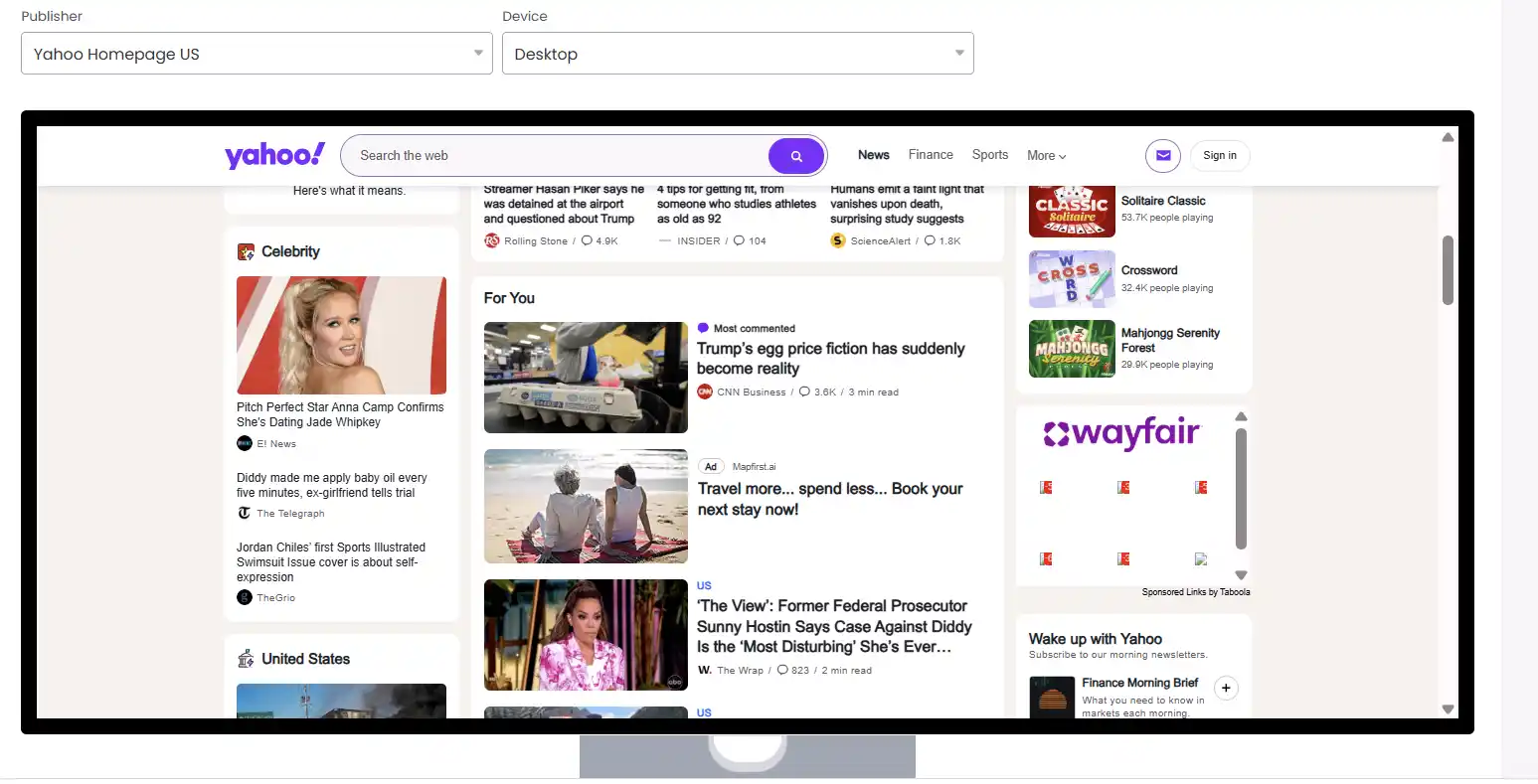
Users encountered Mapfirst native ads on well-known publisher sites such as Yahoo and The New York Times. Each creative linked to a dedicated landing page built around map monetisation.
These landing pages included:
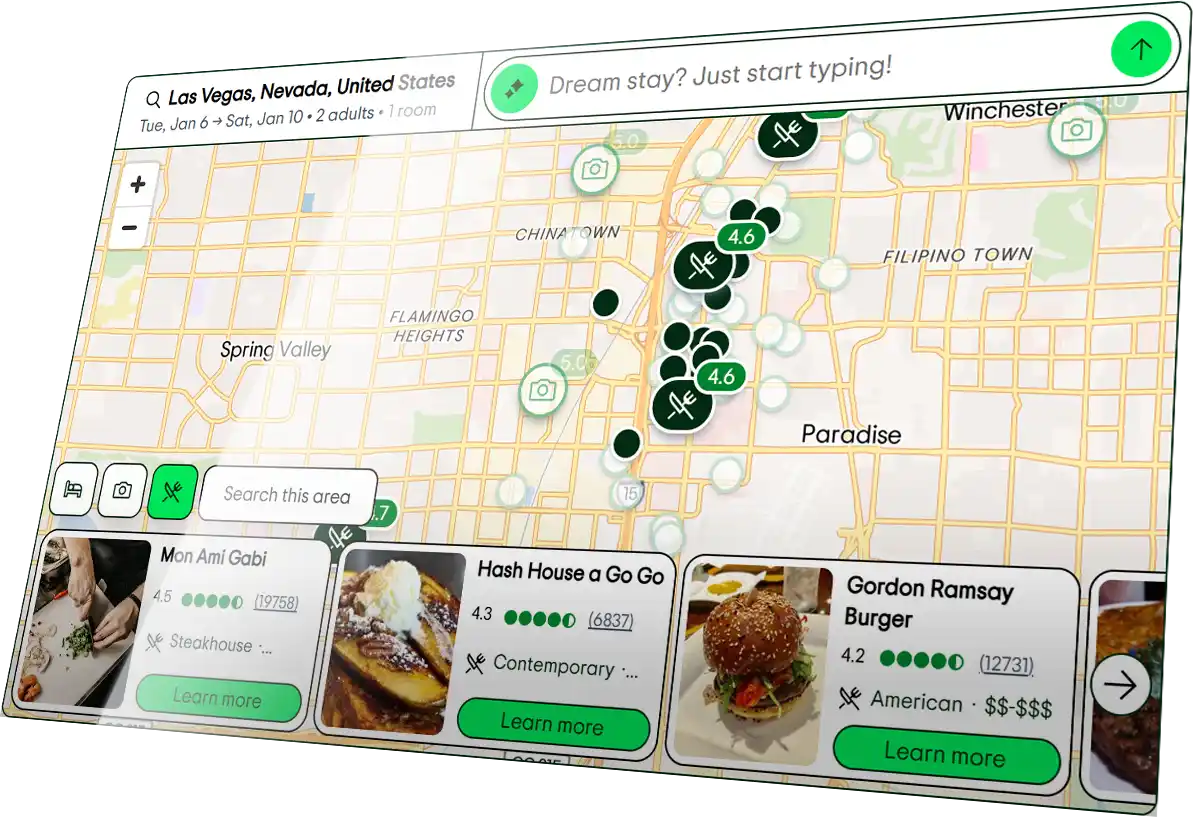
A Mapfirst map embedded via iframe
Supporting content explaining how the map works
Localised results based on the user’s IP address
This setup allowed us to test both the performance of native ads and the user experience of linking out to a map, rather than embedding it directly on the publisher page.
Creative Performance Insights for Native Ads.
One of the clearest learnings was that not all creatives perform equally.
We tested a range of formats, from playful visuals to more serious, product-led messaging. While some lighter creatives attracted attention, ads featuring real people consistently delivered the highest click-through rates.
For publishers and advertisers using native ads, this reinforces the importance of human-led creatives, especially when promoting functional experiences like maps.
CTR Results and Engagement Across Publisher Sites.
Overall, the campaigns delivered strong engagement for such a small test budget.
Across both markets, we saw an average of 7% click-through from the landing page into the map experience. Once users were interacting with the map, a further 10% clicked through to partners, which is the point at which publisher monetisation occurs.
These results validate the idea that native ads can successfully funnel users into a map monetisation flow, even when the map itself lives off-site.
US vs UK Performance: What the Data Tells Us.
Geography played a significant role in performance.
In the US, native ads achieved a click-through rate of just over 11%, compared to 2.35% in the UK. While both results are healthy, the difference highlights how user behaviour, publisher environments, and content consumption patterns can impact native ad performance. But ultimately the ROI remains on par as CPMs in the UK tend to be lower than those in the US.
Embedded Maps vs Linking Out: Two Paths to Map Monetisation.
One of the most important takeaways is that map monetisation does not require embedded maps.
Publishers can either:
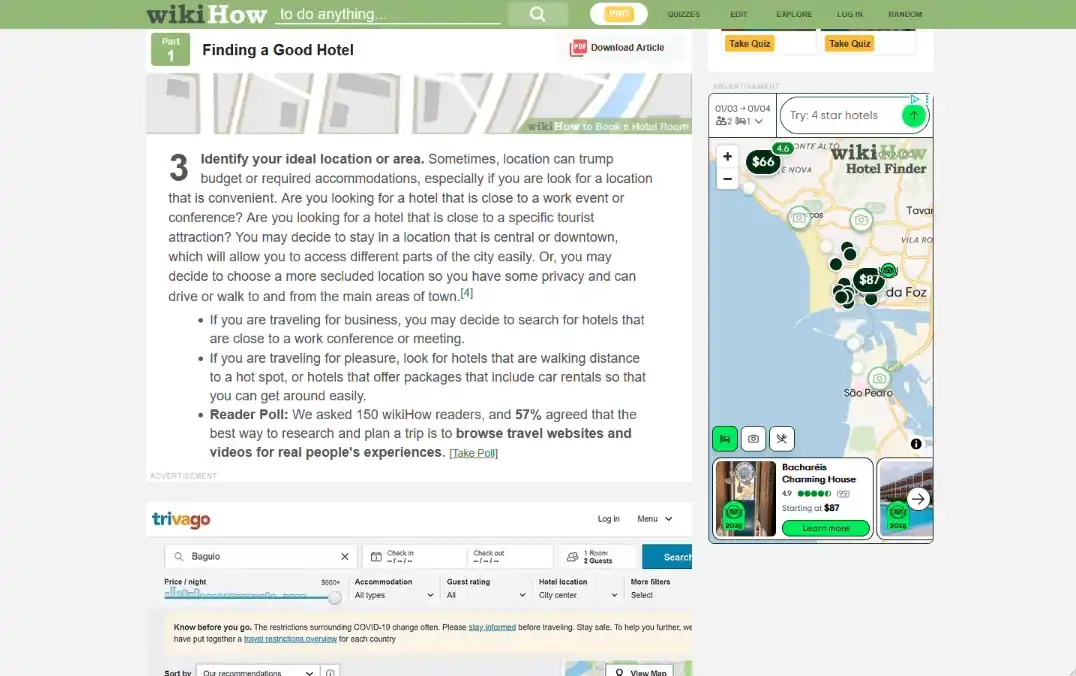
Embed Mapfirst directly into their pages and monetise in-context.
Use native ads or links to send users to Mapfirst and still earn revenue per click.
This flexibility opens the door to many more publisher integrations, particularly for sites that want monetisation without changing their existing content layouts. It is also a great signal that content creators on Social Media could benefit from Mapfirst, which is an area we will double down in the coming few months.
What’s Next: Scaling Native Ads and Agentic Map Experiences.
We plan to continue testing native ads across additional formats and use cases on Taboola.
Next in our pipeline are:
IP-optimised campaigns that highlight things to do nearby.
Agentic experiences, where users can “ask anything” and be guided through a map-based journey.
These experiments will help us refine how native ads, map monetisation, and publisher monetisation work together at scale.

Explore more Case Studies
TRAVEL
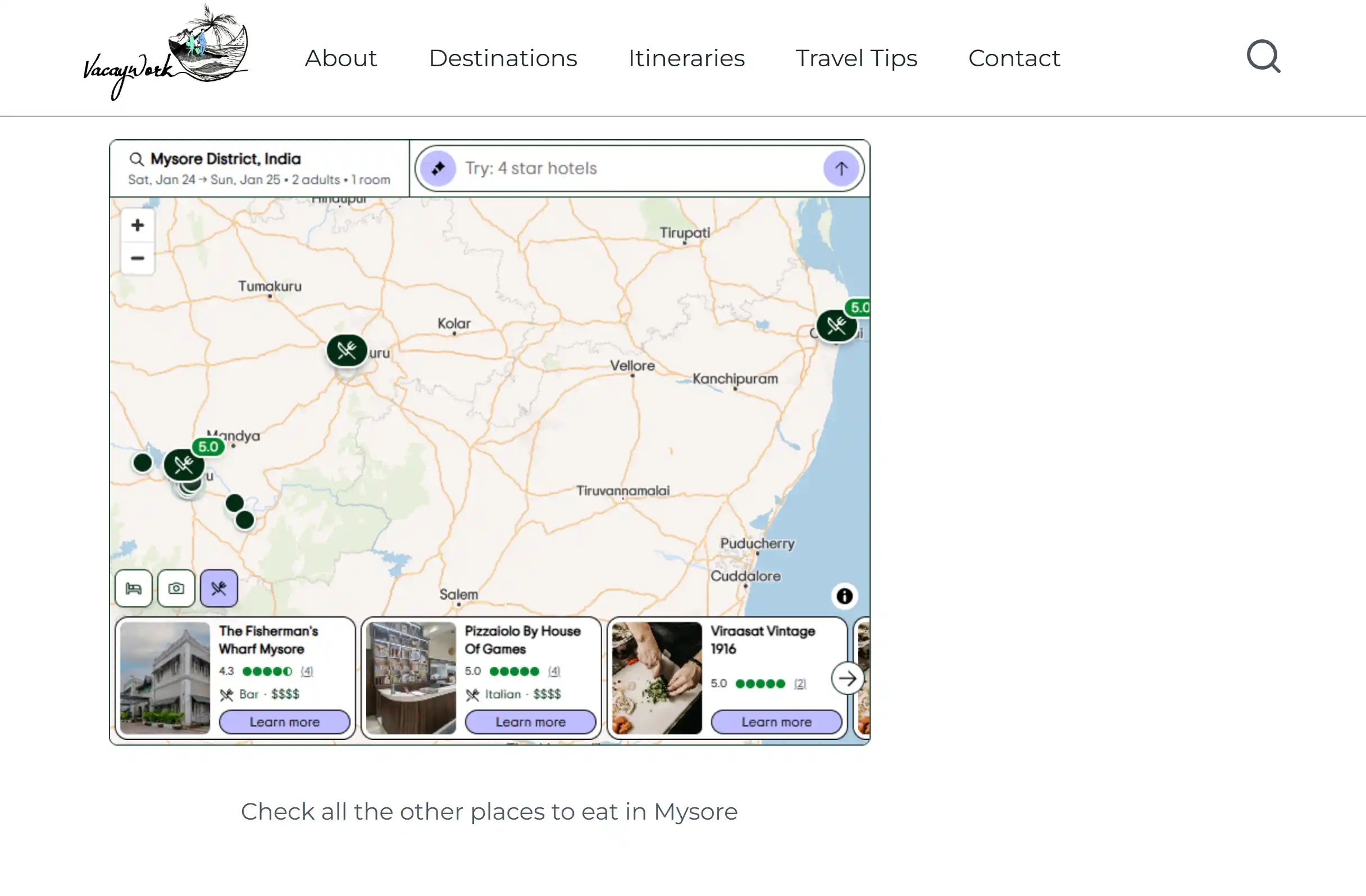
Vacaywork featured a customised map on their website
TRAVEL